RSVP Beauty Clinic |
14 August 2026
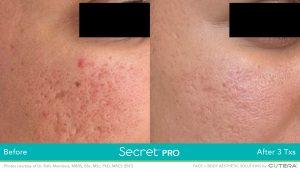
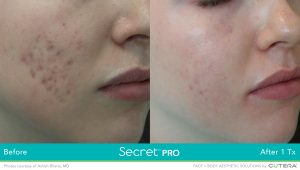
RF Microneedling vs CO2 Laser: Which Treatment Gives Better Results?
If you’re looking to improve skin texture, acne scars, fine lines, enlarged pores, or overall skin quality, you’ve probably come across two popular treatments: RF microneedling and CO2 laser resurfacing.
Both can create significant skin improvements, but they work in very different ways. So, which one gives better results?
The answer depends on your skin concerns, desired results, downtime tolerance, and how aggressively you want to treat the skin. At RSVP Beauty Clinic, we use both technologies and customize treatment plans based on what your skin actually needs.
What Is RF Microneedling?
RF microneedling combines controlled microneedling with radiofrequency (RF) energy.
Tiny needles create precise micro-injuries in the skin while delivering RF energy into the deeper layers. This stimulates the body’s natural healing response and encourages collagen and elastin production.
Unlike traditional microneedling, RF microneedling delivers thermal energy beneath the surface of the skin, allowing for deeper tissue remodeling while keeping the treatment relatively controlled.
RF microneedling can help improve:
- Acne scars and uneven skin texture
- Enlarged pores
- Fine lines and wrinkles
- Skin laxity
- Uneven skin tone
- Overall skin firmness
- Certain types of stretch marks and scars
One of its biggest advantages is that it can be customized to different depths and treatment areas, making it a versatile option for facial and body concerns.
What Is CO2 Laser Resurfacing?
CO2 laser resurfacing is a more intensive skin-resurfacing treatment that uses laser energy to precisely remove damaged layers of skin while stimulating collagen production.
By creating controlled thermal injury, CO2 laser treatment encourages the skin to regenerate, revealing newer, smoother-looking skin underneath.
It is often considered when someone wants a more dramatic improvement in skin texture, sun damage, pigmentation, acne scarring, and signs of aging.
CO2 laser can help improve:
- Deeper acne scars
- Fine lines and wrinkles
- Sun damage
- Uneven texture
- Certain pigmentation concerns
- Skin laxity and overall skin quality
Because CO2 resurfacing is more aggressive, it typically involves more downtime and aftercare than RF microneedling.
RF Microneedling vs CO2 Laser: What’s the Difference?
The biggest difference is how each treatment creates its results.
RF microneedling works primarily through controlled mechanical injury and heat delivered into the deeper layers of the skin. It is particularly useful when collagen remodeling and skin tightening are priorities.
CO2 laser works through controlled laser resurfacing and thermal injury at the skin’s surface and deeper layers. This makes it particularly powerful for resurfacing concerns such as significant texture irregularities, sun damage, and certain types of scarring.
Neither treatment is universally “better.” They simply approach skin rejuvenation differently.
| RF Microneedling |
CO2 Laser |
| Collagen remodeling |
Intensive skin resurfacing |
| Helps improve texture and scars |
Helps improve texture, scars and sun damage |
| Can improve skin firmness |
Can improve fine lines and wrinkles |
| Generally less downtime |
Generally more downtime |
| Can be customized for different depths |
More intensive resurfacing |
| Suitable for many skin concerns |
Best suited for carefully selected candidates |
So, Which Treatment Gives Better Results?
If your priority is collagen stimulation, skin tightening, acne scars, and improving texture with less downtime, RF microneedling may be the better choice.
If your priority is more intensive resurfacing, significant sun damage, deeper texture concerns, or certain types of acne scarring, CO2 laser may provide a more dramatic result.
However, “better” doesn’t necessarily mean more aggressive.
A treatment that is appropriately matched to your skin can often produce better overall results than choosing the strongest treatment simply because it has more downtime.
What About Acne Scars?
Both treatments can be effective for acne scarring, but the right choice depends on the type and depth of the scars.
RF microneedling is often a great option for rolling and textural acne scars because it stimulates collagen remodeling deeper within the skin.
CO2 laser can be particularly beneficial when resurfacing and smoothing the skin’s surface is a major goal.
For some patients, a customized combination approach may provide the most comprehensive improvement.
Which Treatment Has More Downtime?
This is another important consideration.
RF microneedling generally involves redness, swelling, and sensitivity for a shorter period, although downtime varies depending on the treatment settings and individual skin response.
CO2 laser resurfacing is more intensive. Depending on the treatment performed, patients can experience significant redness, peeling, swelling, and a longer recovery period.
Your provider will give you detailed pre- and post-treatment instructions to support proper healing.
The RSVP Beauty Clinic Approach
There is no one-size-fits-all “best” skin resurfacing treatment.
RF microneedling and CO2 laser can both deliver impressive improvements, but choosing the right technology—and the right treatment intensity—is what matters most.
At RSVP Beauty Clinic, we assess your skin first and recommend the treatment that makes sense for your individual goals rather than simply choosing the most aggressive option.
Ready to find out which treatment is right for your skin?
Book a consultation with RSVP Beauty Clinic and let’s create a treatment plan designed around your skin not a trend.
Visit us at RSVP Beauty Clinic, Yaletown
Call us: 604-971-0855
Book online: rsvpbeautyclinic.com

 Yaletown